
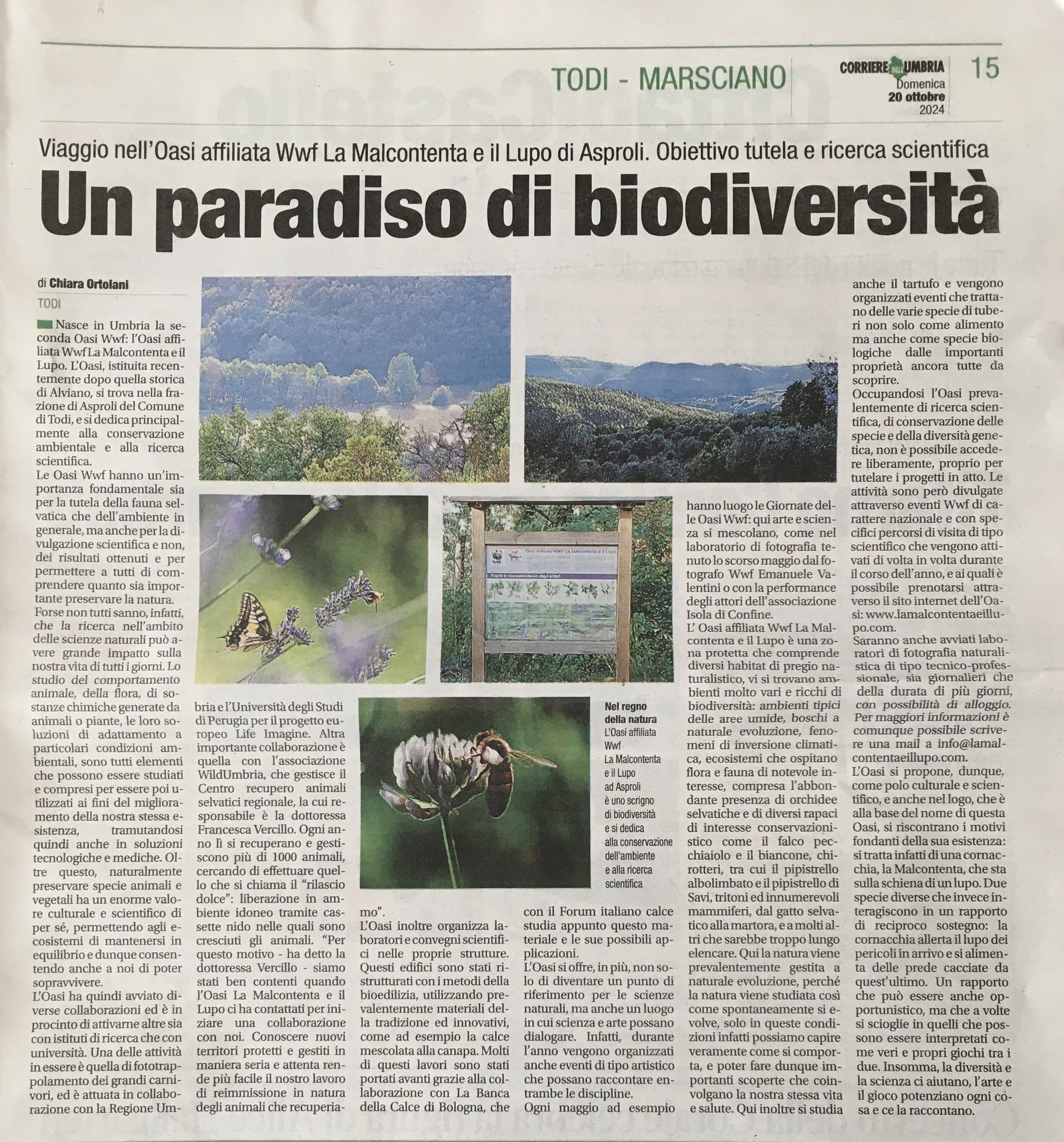
Read the article in Corriere dell'Umbria:
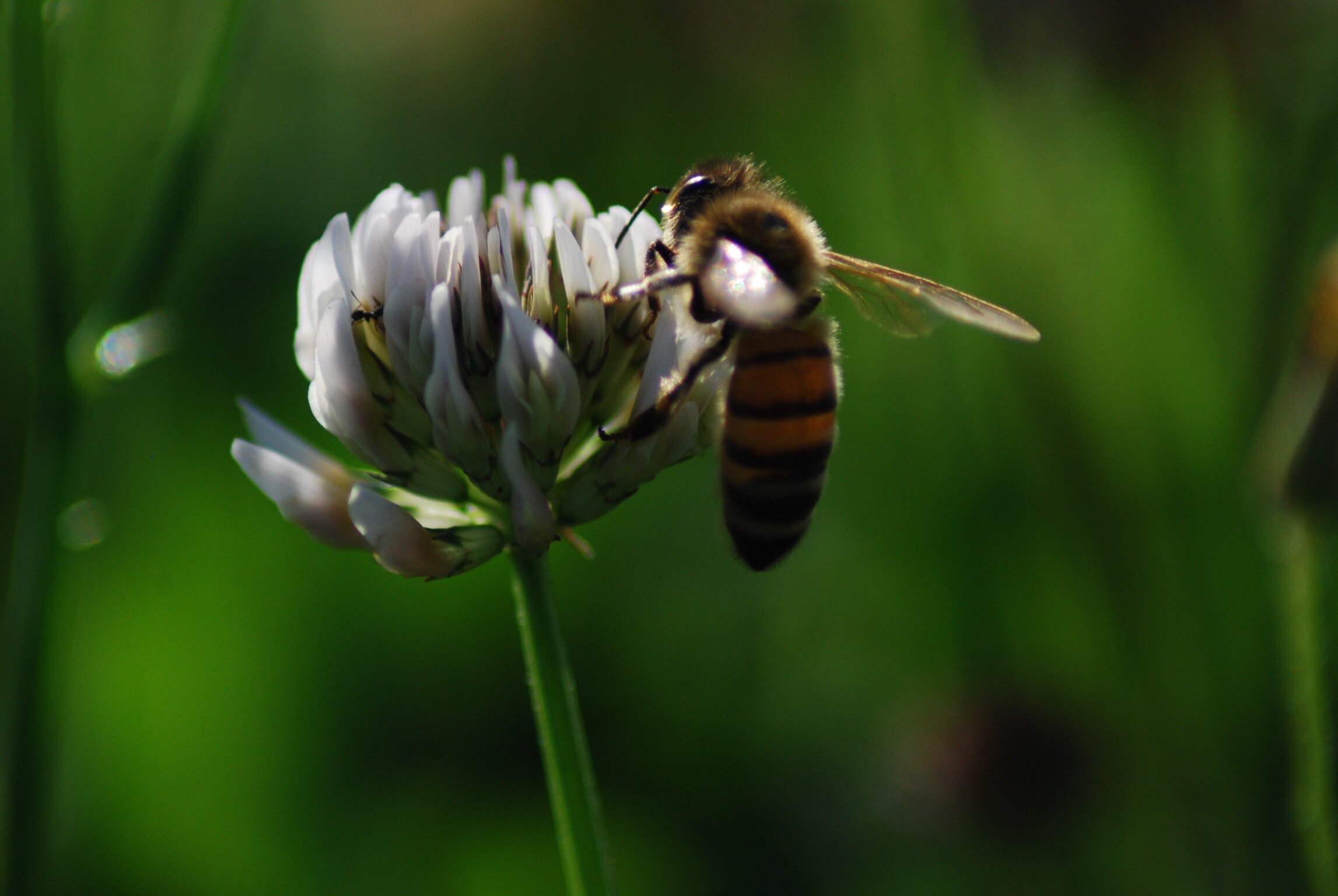
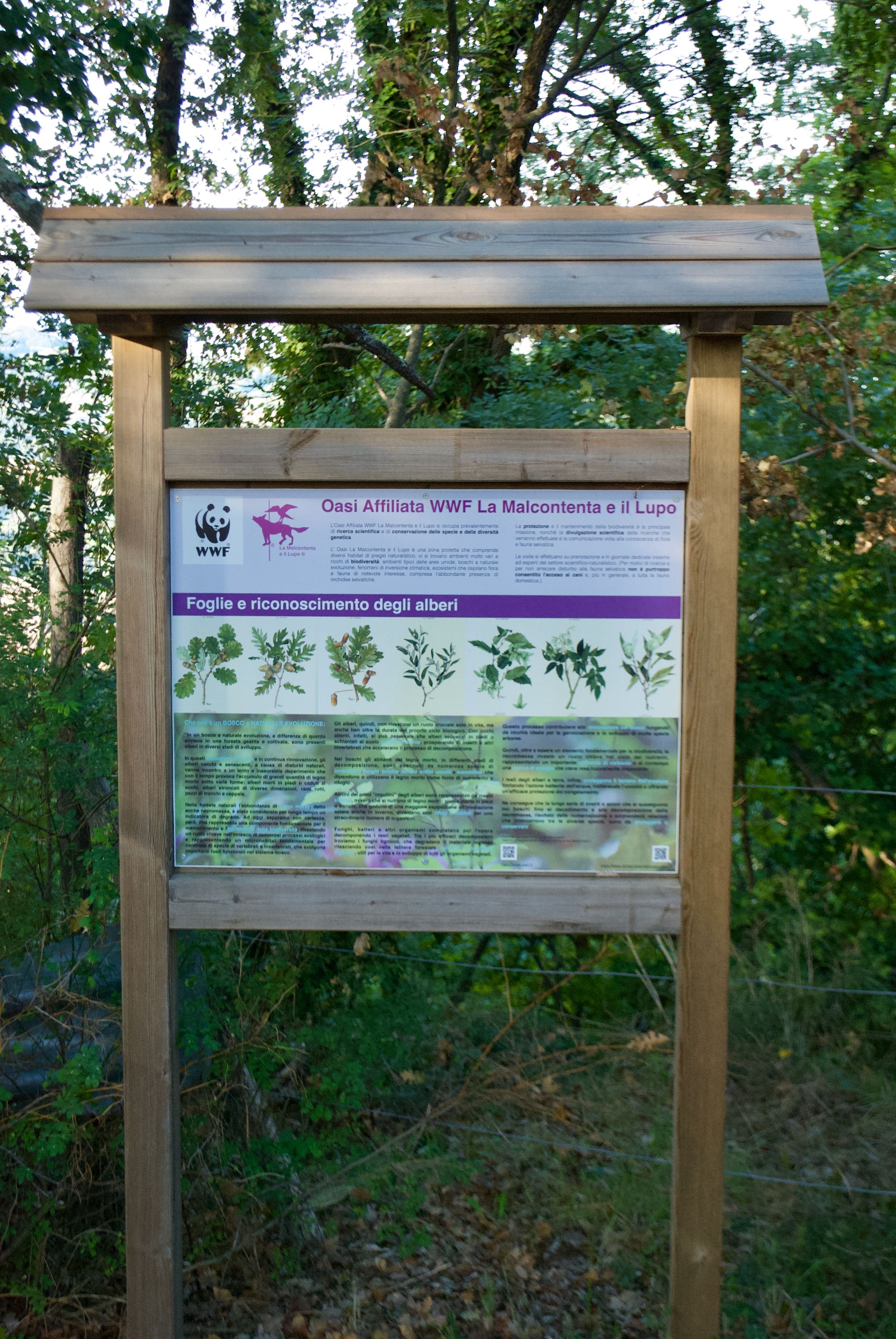
The second WWF Oasis is born in Umbria: the WWF-affiliated Oasis La Malcontenta e il Lupo. The Oasis, recently established after the historic Alviano Oasis, is located in the hamlet of Asproli in the municipality of Todi, and is mainly dedicated to environmental conservation and scientific research. WWF Oases are fundamentally important both for the protection of wildlife and the environment in general, but also for scientific dissemination, and not only, of the results obtained and to allow everyone to understand how important it is to preserve nature. Perhaps not everyone knows that research in the field of Natural Sciences can have a great impact on our daily lives. The study of animal behavior, flora, chemicals generated by animals or plants, their solutions for adapting to particular environmental conditions, are all elements that can be studied and understood and then used to improve our own existence, thus also turning into technological and medical solutions. Beyond this, of course, preserving animal and plant species has enormous cultural and scientific value in itself, allowing ecosystems to remain in balance and thus enabling us to survive as well. The Oasis has therefore started several collaborations and is about to activate others both with research institutes and universities. One of the ongoing activities is the camera trapping of large carnivores, carried out in collaboration with the Umbria Region and the University of Perugia for the European Life Imagine Project. Another important collaboration is with the WildUmbria association, which manages the regional Wildlife Recovery Center, whose manager is Dr. Francesca Vercillo. Every year more than 1000 animals are recovered and managed there, trying to carry out what is called a “soft release”: release into a suitable environment through nest boxes in which the animals have grown. “For this reason,” said Dr. Vercillo, “we were very pleased when the Oasis La Malcontenta e il Lupo contacted us to start a collaboration with us, getting to know new protected and seriously and carefully managed areas makes our work of reintroducing the animals we recover into the wild easier.” The Oasis also organizes laboratories and scientific conferences in its own facilities. These buildings have been renovated using green building methods, mainly using traditional and innovative materials, such as lime mixed with hemp. Many of these works have been carried out thanks to the collaboration with La Banca della Calce in Bologna, which together with the Italian Lime Forum studies this material and its possible applications. The Oasis also aims not only to become a reference point for the Natural Sciences, but also a place where science and art can dialogue. In fact, artistic events are also organized during the year to tell the story of both disciplines. Every May, for example, the WWF Oasis Days take place: here art and science mix, as in the photography workshop held last May by WWF photographer Emanuele Valentini or with the performance of the actors of the Isola di Confine association.
Read the article in Corriere dell'Umbria: https://corrieredellumbria.it/news/todi---marsciano/308635/todi-dal-gatto-selvatico-al-falco-pecchiaiolo-benvenuti-nell-oasi-wwf-di-asproli.html
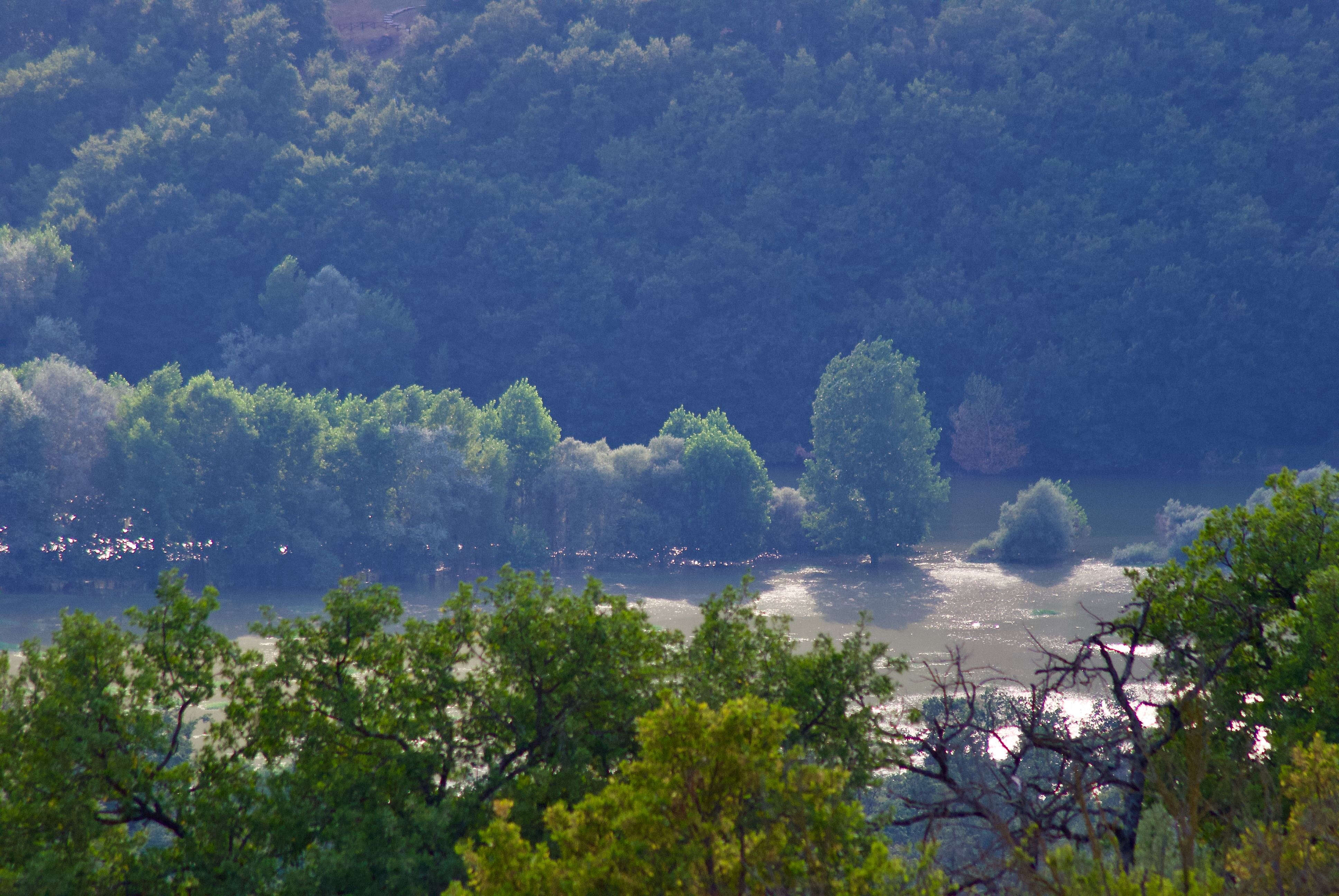
Read the article in Corriere dell'Umbria: The WWF-affiliated Oasis La Malcontenta e il Lupo is a protected area that includes several habitats of naturalistic value, with very varied environments rich in biodiversity: typical wetland environments, naturally evolving woods, phenomena of climatic inversion, ecosystems that host flora and fauna of considerable interest, including the abundant presence of wild orchids and several birds of prey of conservation interest such as the honey buzzard and the short-toed snake eagle, bats, including the white-edged bat and Savi's pipistrelle, newts and countless mammals, from the wildcat to the marten, and many others that would be too long to list. Here, nature is mainly managed in a naturally evolving way: because nature is studied as it spontaneously evolves, only in these conditions can we truly understand how it behaves, and thus make important discoveries that involve our own lives and health. Here, truffles are also studied and events are organized that deal with the various species of tuber not only as food but also as biological species with important properties yet to be discovered. Since the Oasis is mainly engaged in scientific research, species conservation and genetic diversity, free access is not allowed, precisely to protect the ongoing projects. However, activities are disseminated through national WWF events and with specific scientific visit routes that are activated from time to time during the year, and for which it is possible to book through the Oasis website: https://www.lamalcontentaeillupo.com/oasi-wwf/index Technical-professional nature photography workshops will also be launched, both daily and lasting several days, with the possibility of accommodation. For more information you can write an email to: info@lamalcontentaeillupo.com The Oasis therefore aims to be a cultural and scientific center, and even in the logo, which is the basis of the name of this Oasis, the founding reasons for its existence can be found: it is in fact a crow, the Malcontenta, standing on the back of a wolf. Two different species that instead interact in a relationship of mutual support: the crow alerts the wolf to approaching dangers and feeds on the prey hunted by the latter. A relationship that can also be opportunistic, but which sometimes dissolves into what can be interpreted as real games between the two. In short, diversity and science help us, art and play enhance everything and tell us the story.
Read the article in Corriere dell'Umbria: